October 19, 2026

Commission Spars Over Vote to Defer Senior Tax Freeze
JAMES WOOD
Staff Writer
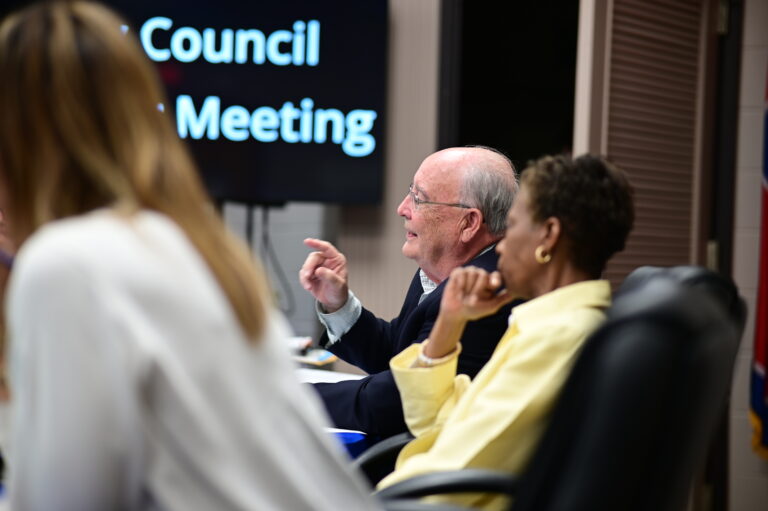
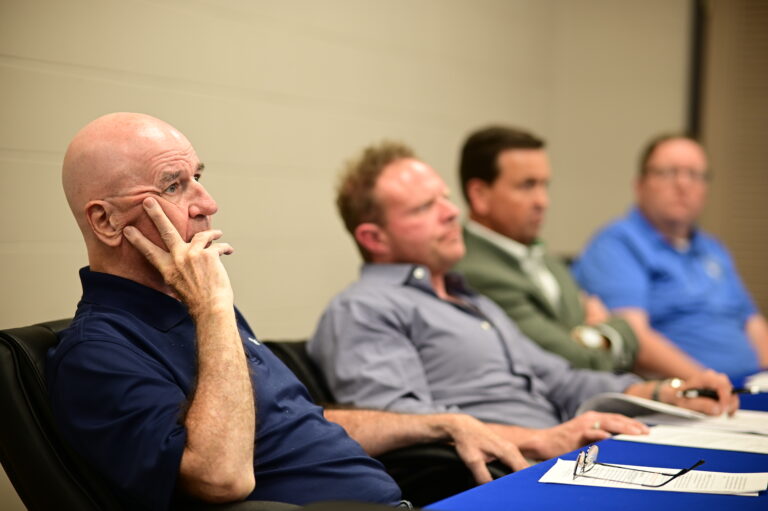
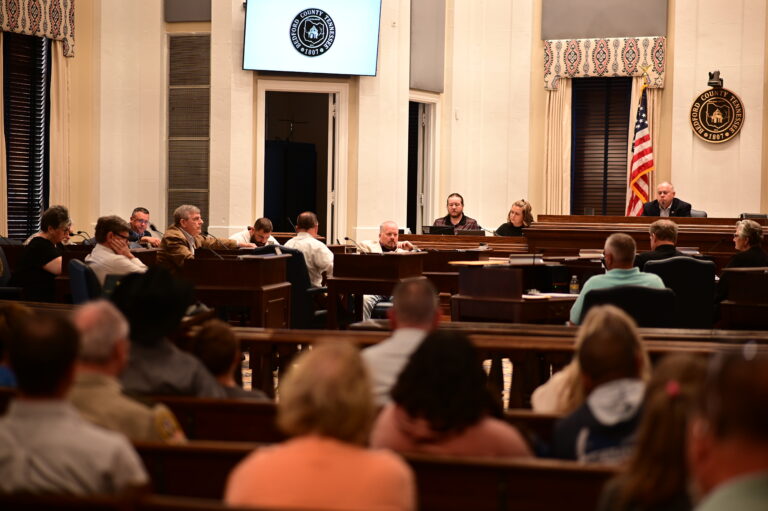
The Bedford County Board of Commissioners traded sharp arguments during a close 10 – 8 vote to defer the Senior Property Tax Freeze program to the Financial Management Committee’s June meeting and the Commission’s June Regular Session.
Prior to this Regular Session, the Rules and Legislative Committee had voted 3 – 2 to place the item on the agendas of both the Commission’s and Financial Management Committee’s meetings in May.
Commissioner Drew Hooker created a motion to adopt the program during the meeting, which was seconded by Commissioner Anita Epperson.
Concerns over an unknown financial impact of the program led the Financial Management Committee to send the program to the floor with an unfavorable recommendation after long discussion.
All 18 commissioners were present at the meeting, continuing discourse on the passage of the program during the meeting or to defer it to a later date to review its fiscal impact before implementation.
Proponents of its passage in its original form during the meeting argued that the fiscal impact would be less than the original $150,000 projected cost brought from the Trustee and Property Assessor’s offices, who would be the primary offices carrying out the execution of the plan.
Commissioner Diane Neeley explained her perspective of the cost, citing that previous operating costs she had seen from the offices were lower than the cost projection.
“Personally, I don’t think it’s going to be $150,000 to do that,” said Neeley.
County Mayor Chad Graham emphasized his view that the county government should err on the side of caution for variable numbers in the budget to account for fluctuating administration costs.
“If you implement it, you’ll have to pay whatever it costs, so we don’t want to lowball that number,” said Graham.
Commissioner John Boutwell created a motion that was seconded by Commissioner Greg Vick to amend the agenda item to bring it back to the Financial Management Committee.
“I think decisions should not be made in the heat of the moment,” said Boutwell.
His amendment added recommendations that the finance director produce a fiscal note on the expense to the taxpayers to implement the plan and that the Financial Management Committee review the fiscal note to provide a recommendation that will be made a part of the budget hearing process.
“I don’t think there’s going to be a situation where a senior that falls within the tax freeze program is going to be impacted this year and probably won’t even be next year,” he continued. “So I think we need to take our time and carefully consider what we’re doing here and do it correctly.”
Commissioner Eric Maddox highlighted his ambition to deliver the program based on the importance of giving back to seniors who contributed to the county in the past.
“This program is designed to help the most vulnerable of our community and those people are people who want to help themselves,” said Maddox. “I feel like it’s time that we give back to them.”
“We are financially healthy to make this happen. Is it not a priority?” he continued. “I don’t understand how we could put a price tag on something like this. Are they not worth it?”
Commissioner Scott Johnson voiced his concern over the program’s perceived lack of prior fiscal research.
“I really want to vote for this but I’d have to pass tonight if we’re not gonna do our due diligence fiscally on getting the right numbers down,” said Johnson.
Hooker fought against moving the program back to the Finance Committee, arguing against prioritizing concerns of potential fiscal risk over applying relief to the approximately 200 individuals eligible for the program in addition to the pre-existing Senior Tax Relief program.
“I fundamentally disagree with that mindset because what we have to do is we have to look at how we can help each individual citizen,” said Hooker.
Vick voiced his support for the amendment, arguing that the county government must hold itself accountable to taxpayers by having a clear fiscal analysis of the program.
“Through these three and a half months of questions and answers, we still don’t know how much it’s going to cost,” said Vick. “We can’t tell the taxpayer this money is coming out of your pocket and we don’t know how much it’s gonna cost.”
“All this amendment is doing is sending it to the finance director to get a fiscal note so that we have a solid number that we will know that it’s going to cost,” he added. “All the rest of this is just noise.”
Following more discussion, the commission voted 10 – 8 to approve of Boutwell’s amendment, sending the program back to be reviewed before their June meeting.